

TREATMENT
Microneedling
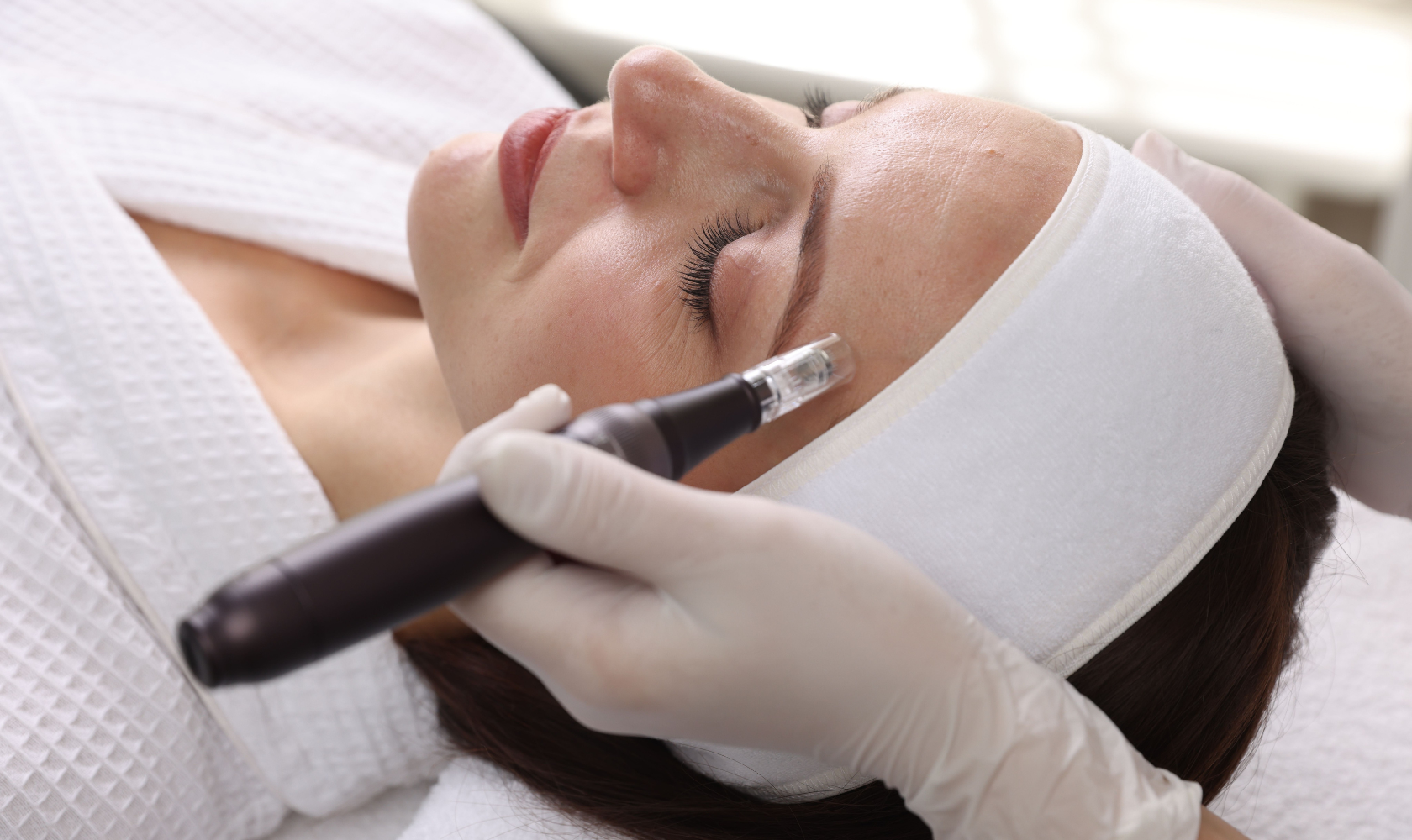
Medspa in Austin, TX, 78738 | Microneedling Near Me
About Microneedling
Microneedling is a versatile, minimally invasive treatment that harnesses the body's natural healing abilities to stimulate collagen and elastin production. This process helps reduce the appearance of fine lines, wrinkles, acne scars, and other skin imperfections, resulting in smoother, more youthful skin.
-
Microneedling is a minimally invasive procedure that creates micro-wounds in the skin to stimulate collagen production. This multipurpose treatment leverages the body’s natural healing process to address various skin conditions, such as fine lines, wrinkles, acne scars, and uneven texture. To achieve optimal results, a series of multiple treatments is typically recommended.
-
Microneedling utilizes a handheld device equipped with extremely sharp, sterile needles to puncture the skin. These micro-wounds trigger the skin’s healing process, leading to increased production of collagen and elastin, two crucial proteins for skin health and vitality. The treatment effectively rejuvenates the skin, improving its overall texture and appearance.
-
Microneedling is a minimally invasive procedure with minimal downtime. Here’s what you can expect:
Preparation: Your skin will be thoroughly cleansed, and a numbing cream will be applied to ensure comfort during the treatment.
Treatment: During the procedure, you may feel some warmth and a scratching/pulling sensation as the device moves over your skin. The numbing cream helps keep pain to a minimum.
Post-Treatment: Immediately after treatment, your skin will likely be red and swollen, which can last up to a few days. You can return to your normal routine immediately, but it’s important to stay out of the sun until your skin heals.
Frequently Asked
Questions
GOT A QUESTION?
-
The number of microneedling sessions required varies based on individual skin conditions and desired results. Typically, a series of multiple treatments spaced a few weeks apart is recommended for optimal results. During your consultation, our experienced practitioners will assess your skin and develop a personalized treatment plan.
-
Microneedling is generally well-tolerated. While the procedure involves some discomfort, the application of a topical numbing cream significantly reduces any pain. Most clients report only mild sensations during the treatment.
-
Microneedling involves minimal downtime. Post-treatment redness and swelling typically subside within a few days. You can resume your normal activities immediately, but it’s crucial to avoid sun exposure until your skin has fully healed.
-
Microneedling stimulates the production of collagen and elastin, resulting in long-lasting improvements to the skin’s texture and appearance. With proper skin care and maintenance, the results can be sustained over time.
-
Microneedling is a safe and minimally invasive procedure with a well-established safety profile. Common side effects include temporary redness, swelling, and mild discomfort in the treated area. These effects are typically mild and resolve on their own.
-
Before your microneedling appointment, it’s essential to inform your medical provider about any medications, supplements, or skin conditions you have. Avoid using any harsh skincare products or treatments before the procedure. During your consultation, our practitioners will provide specific pre-treatment instructions to ensure the best results.
Experience the transformative effects of microneedling and achieve smoother, more youthful skin.
Contact us today to schedule your consultation and take the first step towards revitalized skin.
Disclaimer: This information provided is for general informational purposes only. It is not intended as a substitute for professional advice from a qualified healthcare professional and should not be relied upon as personal health advice. The information contained in this content is not meant to diagnose, treat, cure, or prevent any disease. You are advised to consult with a qualified healthcare professional for any medical concerns. Use of this information is at your own risk. We are not responsible for any adverse effects, or consequences resulting from the use of any suggestions or information provided.